Australia is reviewing its working holiday visa agreement with the United Kingdom following a sharp increase in British travellers arriving in the country. The shift has concentrated largely in major capital cities and popular coastal neighborhoods, drawing attention from government officials concerned about local workforce pressures and housing market strain.
The Impact of Free Trade Agreement Changes
The current conversation stems from provisions established under a free trade agreement enacted during the tenure of former leaders Boris Johnson and Scott Morrison. Under the updated terms, British backpackers visiting Australia were exempted from the traditional regional work requirement that mandates a period of agricultural or rural labor for other nationalities. Additionally, the agreement extended the maximum visa duration to three years and raised the eligible age limit to 35.
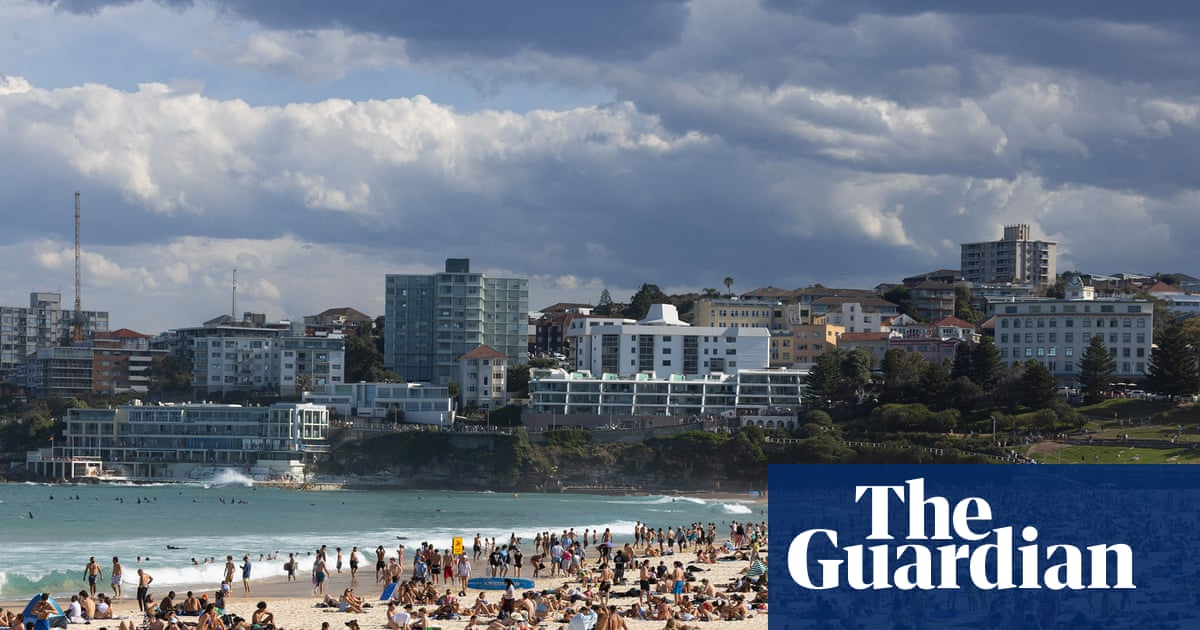
According to government figures, these adjustments led to a dramatic increase in arrivals, with traveller numbers more than doubling from 40,000 to 87,000 within a two-year period. Rather than dispersing to regional areas to help fill labor shortages in farming and agriculture, the vast majority of these visitors have settled in metropolitan coastal hubs such as Sydney's Bondi Beach and Coogee, finding employment primarily within the local hospitality sector.
Government Response and Regional Pressures
Prime Minister Anthony Albanese raised the issue during discussions with regional counterparts, pointing out that the heavy concentration of arrivals in specific urban centers is distorting the local labor market and compounding housing demands. Critics and local observers have echoed these concerns, noting that temporary migration in popular districts creates acute competition for rental housing and entry-level employment.
These are the people who jack up rental prices because they want to live somewhere nicer.
While agricultural federations have previously voiced concerns over the loss of backpacker labor in rural sectors, discussions remain ongoing regarding how to balance bilateral youth mobility with domestic economic realities. Downplaying immediate policy shifts, representatives from both nations acknowledged the broader strategic partnership while continuing bilateral talks on migration frameworks.
Looking Ahead
The arrangement has long operated on a reciprocal basis, allowing young Australians to live and work in the UK under comparable youth mobility schemes, though total migration numbers historically skew in one direction due to population differences. As discussions continue between Canberra and London, policymakers face the delicate task of preserving international exchange opportunities without exacerbating localized housing and employment pressures in high-demand urban areas.

