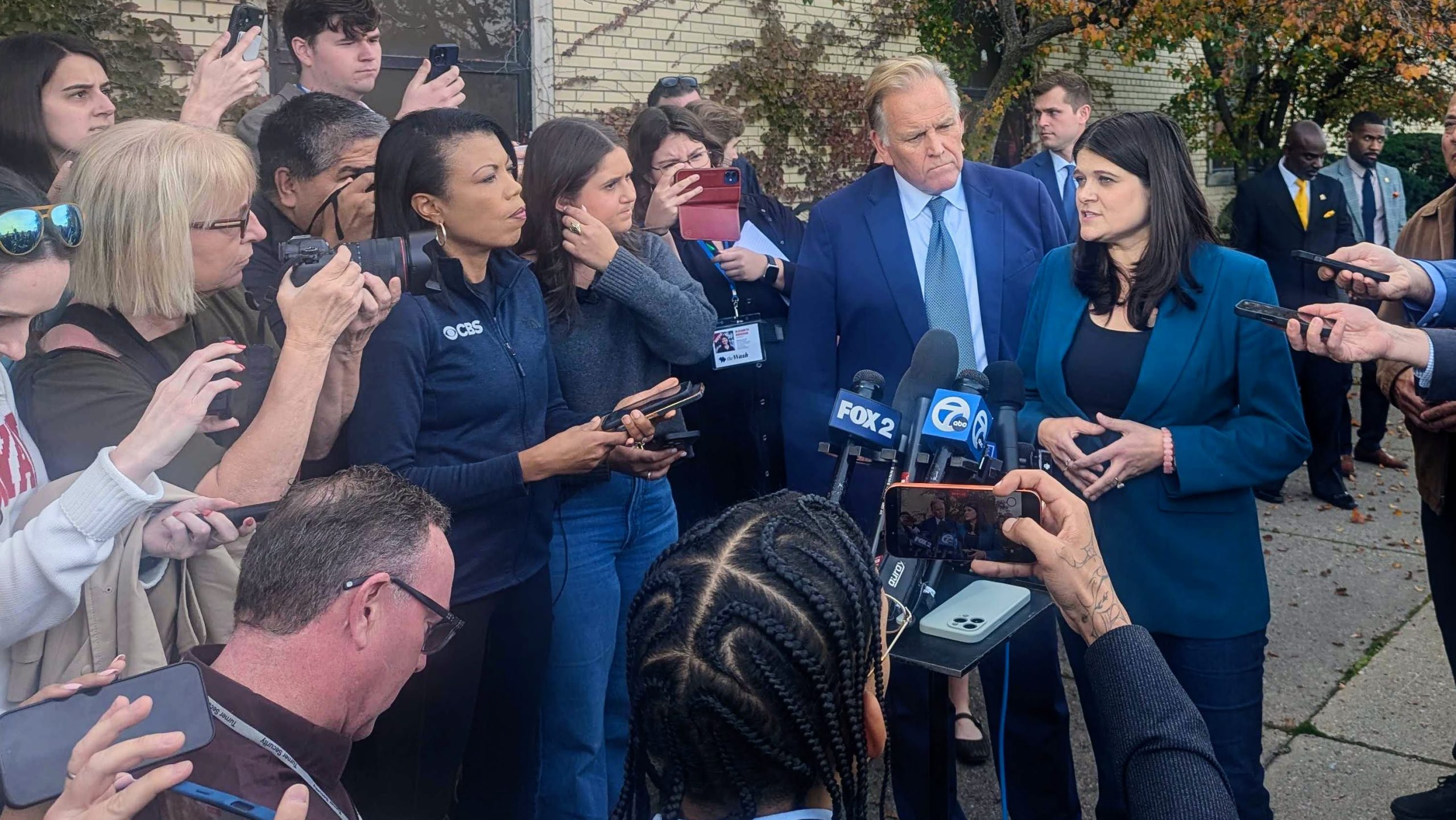
The final days of the Michigan U.S. Senate race took a startling turn when a prominent Democratic lawmaker publicly crossed party lines to endorse her former primary opponent's Republican challenger. The unexpected alliance has upended the closing hours of a closely watched contest that could determine control of the upper chamber.
A Public Split on the Campaign Trail
The political realignment materialized when a sitting Democratic representative appeared alongside her former primary rival's Republican opponent at a Sunday service in Detroit. The decision followed a contentious primary season and a subsequent breakdown in relations between the lawmakers, catalyzed by sharp disagreements over foreign policy and regional representation.
Relations soured further after a planned joint appearance designed to project party unity was scrapped. Prominent organizers noted that escalating tensions had rendered the joint event untenable as the election approached. Observers noted that the public break highlights deep ideological fault lines within the party coalition as candidates race to secure decisive voter turnout in urban centers.
Fallout Within the Party Ranks
The move drew immediate and fierce condemnation from party leadership and colleagues. State party officials denounced the cross-party endorsement as an abandonment of core values and a distraction from critical electoral momentum. The internal friction extended directly to the lawmaker's congressional office, where key senior staffers abruptly resigned their positions, citing an irreconcilable divergence in principles.
Conversely, political figures from the opposing party welcomed the development, praising the decision as an act of independence. Yet, for many voters and allied organizations, the defection represents a profound breach of trust during a critical political cycle.
As campaigns enter their final hours, local leaders are striving to refocus voter attention on core policy issues. However, the unexpected realignment has introduced considerable turbulence into the closing message, leaving both coalitions to manage the fallout of a deeply fractured political landscape.

