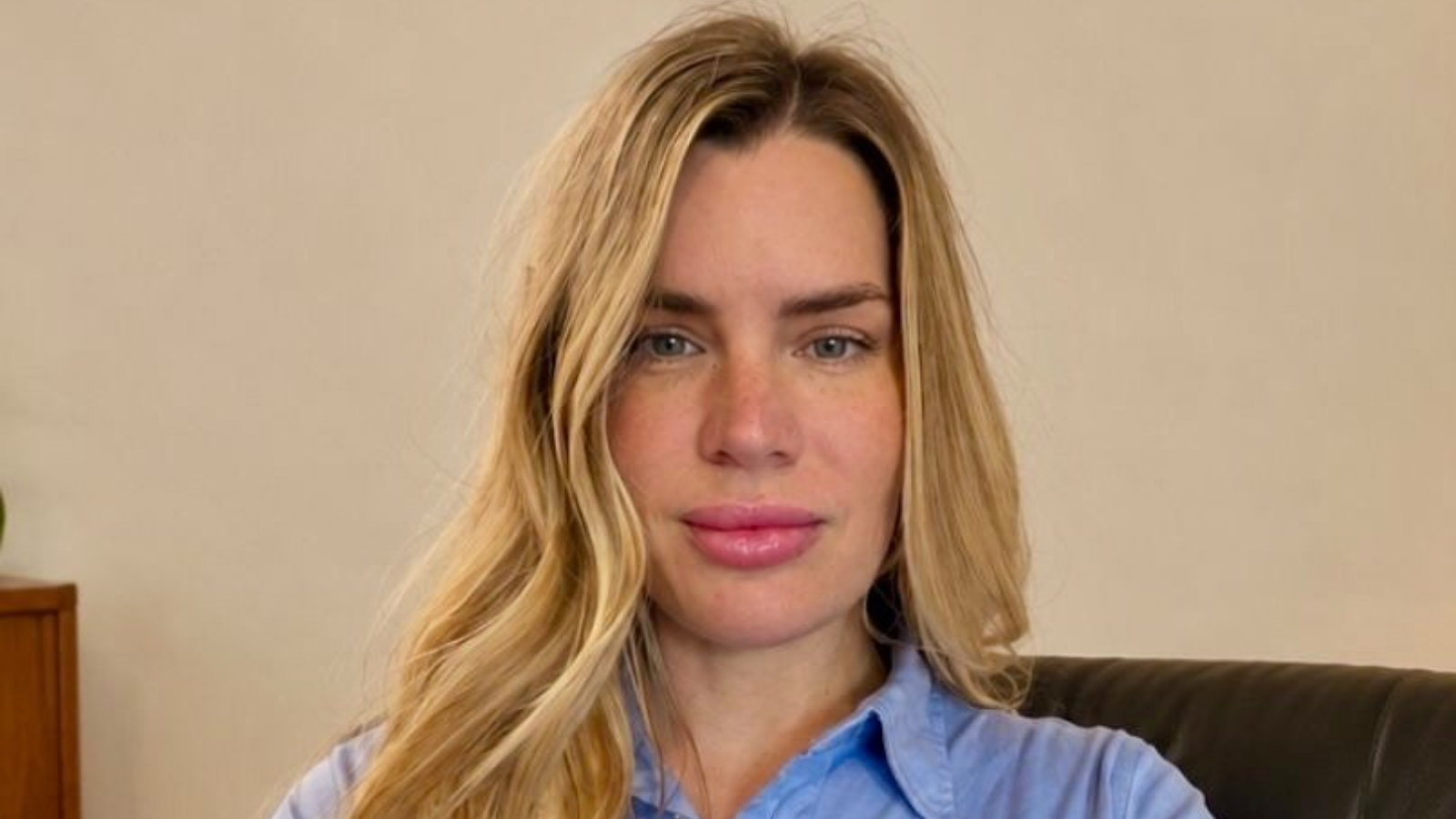
The intersection of personal trauma narratives and high-stakes political timing has once again tested the boundaries of public discourse, following a widely circulated video featuring clinical psychologist Larissa Portnoff. In the recording, Portnoff describes experiences from her childhood and subsequent years, alleging encounters and exploitation involving prominent political figures. As the material gained traction online, it reignited intense debates regarding institutional accountability, public trust, and the societal impact of late-breaking revelations during electoral cycles.
The Allegations and Institutional Context
Portnoff, the clinical director of a New York-based psychology practice with advanced degrees from Columbia University and the University of Denver, released a video detailing accounts that she states began around the age of eight and continued intermittently into adulthood. Within the recording, she alleges severe misconduct and subsequent intimidation, pointing to events such as an unsolicited invitation to a public sporting event which she interpreted as an intentional pressure tactic.
Despite the gravity of these claims, public records reviewed in connection with the story do not currently contain police reports, court filings, or independent documentation corroborating the allegations. Public health and legal experts continually emphasize that while unverified accounts require careful handling to protect individual safety and privacy, establishing facts in the public sphere relies heavily on formal investigative processes and corroborating evidence. Consequently, the claims remain strictly based on personal testimony without formal institutional validation.
Digital Spread and the Weight of Electoral Timing
Emerging directly ahead of major electoral milestones, the video quickly transcended personal channels to become a focal point of widespread social media commentary. High-profile digital figures amplified the footage, framing it as a disruptive element within the broader political landscape. This dynamic prompted sharp divisions among observers, with many questioning the motivations behind timing such sensitive disclosures immediately before a national vote.
Public reactions to the unfolding story highlighted a profound weariness surrounding political ethics and accountability. Observers noted a deep-seated cynicism regarding how major institutions handle allegations against powerful figures across different political eras. "It's absolutely wild to me, as a 90s kid, that we went from Blowjob Bill being impeached to a fucking pedophile in the White House, and half of this country doesn't give a shit," remarked one participant in the online discussion, pointing to shifting standards of public conduct over the decades.
Others expressed deep skepticism regarding the veracity and utility of last-minute disclosures, questioning whether unverified claims serve a constructive purpose or merely deepen societal polarization. "I don't mean to be unkind, but, as a news story, I just don't care. We know this about him. It has changed nothing unfortunately. And I have become so cynical that I can't even rule out this is bait at this point," noted another commenter, reflecting a prevalent sentiment of fatigue and emotional detachment among the public.
Navigating Disclosure and Public Trust
The episode underscores the persistent tension between individual disclosures of trauma and the mechanisms designed to investigate them. When serious allegations enter the digital ecosystem without established legal corroboration, they frequently become subject to partisan interpretations rather than objective examination. Observers on multiple sides of the political spectrum have debated whether the current information environment allows for meaningful justice or merely incentivizes spectacle.
Ultimately, the situation highlights the ongoing challenge of addressing complex allegations within a polarized media landscape. As discussions continue to evolve, the distinction between unverified personal accounts and established factual findings remains a central consideration for anyone attempting to navigate the intersection of public accountability and personal narrative.

